Why Does My Kiwi Plant Not Fruit
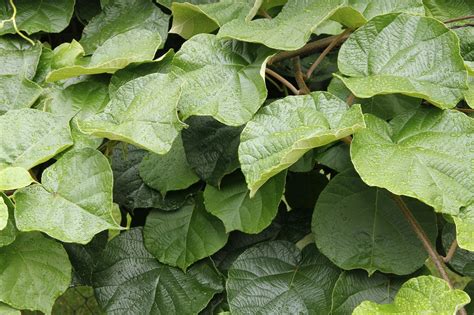
Every passionate gardener dreams of a bountiful harvest, eagerly tending to their plants and waiting patiently for the fruits of their labor. Yet, it can be disheartening when a kiwi plant fails to bear fruit despite all efforts. So, why does your kiwi plant not fruit? Let’s explore some possible reasons and find solutions to turn your kiwi plant into a fruitful delight.
Lack of Pollination
One common reason for a kiwi plant not bearing fruit is the absence of proper pollination. Kiwi plants are dioecious, meaning they have separate male and female plants. Without both genders in close proximity, pollination cannot occur naturally. Inadequate pollination leads to barren vines.
To address this issue, ensure that you have both male and female kiwi plants in your garden and position them nearby so that insects or wind can effectively carry the pollen from the male flowers to the female flowers.
Inadequate Sunlight
Just like humans, plants also require sunlight for crucial processes such as photosynthesis. Insufficient sunlight can hinder a kiwi plant’s ability to produce fruit. Ideally, kiwis thrive in full sun exposure for at least six hours per day.
If your kiwi plant is growing in a shaded area or under an overhang, consider relocating it to a sunnier spot where it can soak up those essential rays. Remember, proper positioning is paramount when it comes to ensuring an abundant harvest.
Unsuitable Soil Conditions
Soil quality plays a vital role in determining the health and productivity of any plant. Kiwis prefer well-draining soil rich in organic matter. Soil with poor drainage can jeopardize root health and impede nutrient absorption.
To create optimal conditions for your kiwi plant, consider amending your soil with compost or well-rotted manure to improve drainage and provide essential nutrients. Conduct a soil test to determine its pH level, as kiwis thrive in slightly acidic to neutral soil with a pH range of 5.5-7.0.
Improper Pruning Techniques
Pruning is an essential aspect of kiwi plant care, promoting healthier growth and increased fruit production. However, improper pruning techniques can hinder fruit development. Kiwis form fruit on last year’s growth, so excessive pruning or pruning at the wrong time may remove potential fruiting wood.
To ensure successful fruiting, prune your kiwi plant during late winter or early spring before new growth emerges. Remove dead or diseased wood, maintain a balanced framework of branches, and thin out excessive foliage to allow sunlight penetration.
Insufficient Nutrient Supply
Like any other living organism, kiwi plants require an adequate supply of nutrients to thrive and bear fruit. If your kiwi plant appears weak and fails to set fruit, it may be lacking essential nutrients such as potassium (K), phosphorus (P), or nitrogen (N).
Consider applying a balanced fertilizer specifically formulated for fruits or vines. Follow the instructions provided by the manufacturer and fertilize your kiwi plant during the growing season for optimal results. Additionally, regular mulching with organic matter can help improve soil fertility and moisture retention.
Pest Infestation
Pests can also be responsible for hampering fruit production in kiwi plants. Common pests that affect these plants include aphids, mites, scale insects, and vine weevils. These tiny invaders feed on foliage, sap, and fruits while transmitting diseases that further weaken the plant.
To combat pest infestations effectively, regularly inspect your kiwi plant for signs of damage or presence of pests. Introduce beneficial insects like ladybugs or lacewings that feed on these pests, or use organic pest control measures such as neem oil or insecticidal soaps.
Harsh Weather Conditions
Extreme weather conditions can adversely impact kiwi plants and disrupt fruiting. Frost during spring can damage tender blossoms, while excessive heat during summer may cause flowers to drop prematurely.
To protect your kiwi plant from frost damage, cover it with a protective cloth or blanket when temperatures drop below freezing. Providing shade during scorching summer days can help prevent flower abortion and ensure fruit set.
Conclusion
Growing kiwi plants can be a rewarding experience, but understanding the factors that may hinder fruit production is crucial. By addressing issues such as pollination, sunlight exposure, soil conditions, pruning techniques, nutrient supply, pest infestations, and weather considerations, you can increase your chances of enjoying a bountiful harvest from your kiwi plant. So roll up your sleeves, apply these strategies diligently, and soon enough you’ll be relishing the juicy fruits of your labor.
